- 26 Apr, 2026
Trekking in Nepal is one of the most rewarding travel experiences in the world. With its breathtaking mountain landscapes, diverse culture, and welcoming people, Nepal offers something truly special for every traveler. However, proper preparation is the key to enjoying a safe and memorable trekking journey.
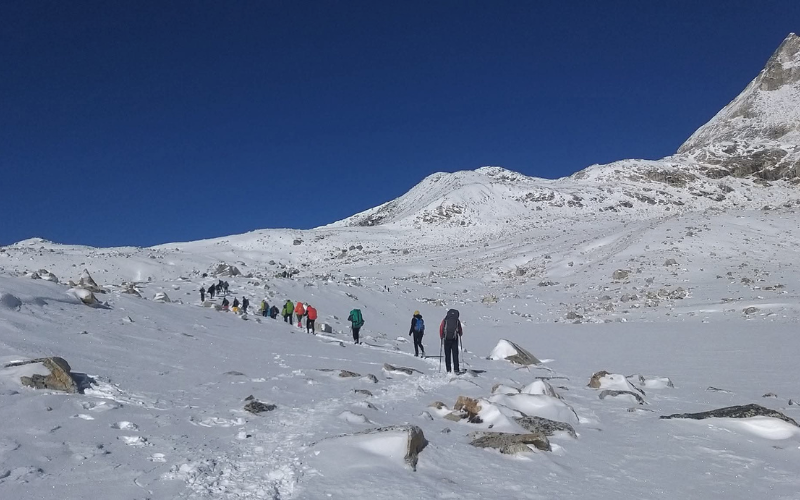
Before starting your trek, it is important to prepare your body. Trekking in Nepal often involves walking for 5–7 hours a day, sometimes at high altitudes. You don’t need to be extremely fit, but basic endurance is essential.Start preparing at least a few weeks before your trip:
Building stamina will make your trekking experience much more enjoyable.
Packing correctly can make or break your trek. The goal is to carry only what you need while staying comfortable in changing weather conditions.
Altitude is one of the most important factors to consider while trekking in Nepal. As you go higher, the oxygen level decreases, which can lead to altitude sickness if not managed properly.
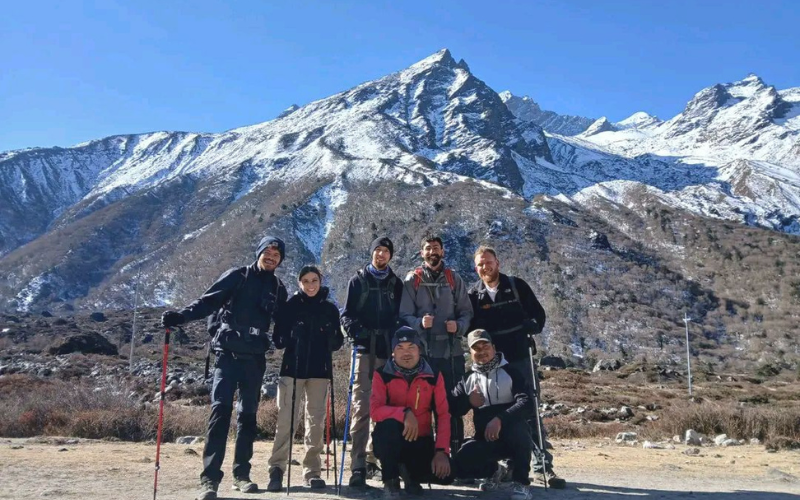
Trekking with an experienced guide is highly recommended, especially in remote areas. A guide ensures:
Nepal has four main trekking seasons, and each offers a different experience:
Nepal Trekking Season & Weather GuideTrekking in Nepal is possible throughout the year, but understanding...
While Nepal is famous for popular treks, there are many hidden routes that offer equally...
If you are looking for adventure, natural beauty, and a truly meaningful travel experience, trekking...


Comments (0)